

Dealing with the loss of a beloved family member is difficult, no matter the circumstances. If the death was the result of negligence or other wrongdoing of another, there is recourse for the relatives of the deceased through special laws called “wrongful death” and “survival” actions.
If you have lost a loved one because of medical negligence or other medical wrongdoing by a California medical professional, Heimberg Barr LLP is ready to assist you. The firm has offered compassionate and comprehensive counsel to families throughout the state since 1993. Contact the firm today to schedule a free consultation with a Los Angeles wrongful death attorney about your case.
California law defines wrongful death as a death “caused by the wrongful act or neglect of another.” (California Code of Civil Procedure 377.60)
This provides the right to sue a medical provider for improper care leading to the death of your loved one.
In 2016, researchers at Johns Hopkins Medicine “calculated that more than 250,000 deaths per year are due to medical error in the U.S. Their figure, published May 3 in the British Medical Journal, makes medical wrongdoing the second leading cause of death in America, ahead of respiratory disease, which kills close to 150,000 people per year. Some of the most common examples of fatal medical malpractice include:
Inappropriate Management / Treatment
Misdiagnosis / Delayed Diagnosis
Anesthesia Errors
OB/GYN Errors
Emergency Room Negligence
Diagnostic Errors
Inappropriate Management / Treatment
Untreated Infections
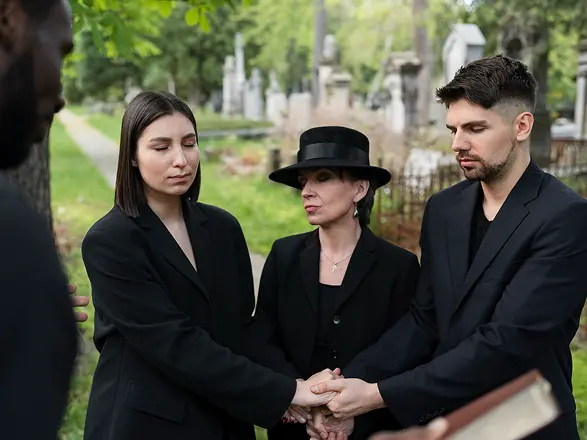
California law gives specific people the legal right to file a wrongful death lawsuit. Only one wrongful death claim can be filed, and all other parties who have a claim to the compensation can be named as plaintiffs in that claim. Those with legal standing to file a wrongful death claim in California may include:
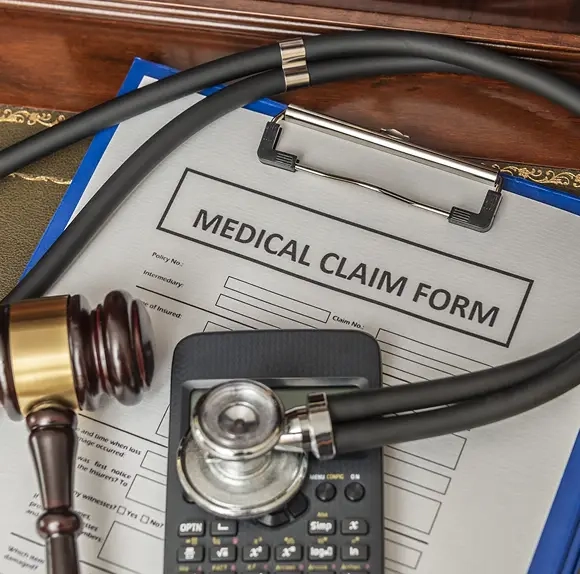
In a wrongful death claim, the family is compensated for its losses. In a survival action, the state allows a decedent’s estate to recover for injuries or damages suffered by the decedent immediately before death. Under the California survival action statute, plaintiffs may recover damages which cover the “the loss or damage that the decedent sustained or incurred before death, including any penalties or punitive or exemplary damages that the decedent would have been entitled to recover had the decedent lived, and do not include damages for pain, suffering, or disfigurement.” (Code of Civil Procedure §377.30).
In other words, a survival action allows the plaintiffs to recover the damages that the deceased would have been entitled to, had he or she survived the incident. Those damages can include:
Medical expense
Lost wages
Survival actions do not allow for pain and suffering claims. They do, however, allow for punitive damages, which are intended to punish the wrongdoer for his or her negligence.
settlement for negligent delivery of triplets resulting in the death of one infant and injuries to the other
Settlement under California’s Elder Abuse and Dependent Adult Civil Protection Act for the family of a 44 year old man who died while hospitalized
If you have suffered the loss of a dear loved one because of someone else’s negligent actions or intentional wrongful acts, the firm is here to provide legal advocacy, and support and to ensure that you recover the compensation you need.
Medical errors can kill. If your loved one dies as a result of medical negligence, Heimberg Barr LLP can help you file an appropriate claim.To schedule a free consultation, please call us on Los Angeles at (310) 954-2000 or fill out this contact form.
Bill (our son/brother) had a mental illness and ended up in a hospital where he was hurt. Dr. Heimberg understood the importance of Bill and his meaning in our life, looked beyond the mental illness and found the medical mis-management that led to my brother’s death. It helped us not only put the puzzle together about what happened to Bill, but also let us hold people accountable who needed to be held accountable.
Steve Heimberg is not your stereotypical lawyer. He’s not in the business he’s in for the money. He’s in the business to right wrongs, to protect patients. He’s personable; he’s just very, very determined. His low-key manner is very open and friendly, but it’s deceiving because being a doctor he can explain things to juries in a very simple way where they will understand and not get thrown by the medical terminology.
Mary Margaret Brady & Karen Brady
The largest verdict in California history for a client who was denied proper care after cardiac surgery because his surgeon prematurely left the OR.
A verdict for an injured man and his wife against a fitness center for failure to perform CPR leading to brain damage.
Any survivor can, but only in the strict order set by statute: the spouse (or a putative spouse) and children first, then parents, then siblings, then grandchildren.
A putative spouse - someone who genuinely believed they were married - stands on the same level as a spouse, and the issue is proving that putative status, not merely the belief.
For a wrongful-death claim arising from medical malpractice the deadline is one year - not the two years that applies to ordinary, non-medical wrongful-death cases - and it runs fresh from the date of death.
If someone was injured, let their own malpractice deadline pass, and then died of that injury, a new one-year wrongful-death claim still arises at death.
A public-hospital case requires a government claim within six months.
The damages largely mirror personal-injury damages.
Economic (uncapped): loss of the financial support and household services the deceased provided, funeral and burial costs, and loss of expected gifts or inheritance.
Non-economic (capped by MICRA in a malpractice death): loss of love, companionship, comfort and consortium.
Grief itself is technically not recoverable, yet loss of solace and companionship is - a distinction of little practical difference.
Critically, a wrongful-death claim should always be paired with a survivorship claim, which belongs to the estate and is what allows recovery of the decedent’s pre-death pain and suffering and of punitive damages.
Yes. A wrongful-death malpractice case pits a grieving family against a hospital with deep assets and large insurers on both the hospital and physician sides, backed by rosters of experts ready to defend their peers.
Unrepresented, a family has essentially no chance - and the value of skilled counsel lies not only in meeting the deadlines but in recognizing and maximizing the damages and tying them convincingly to the wrongdoing.